
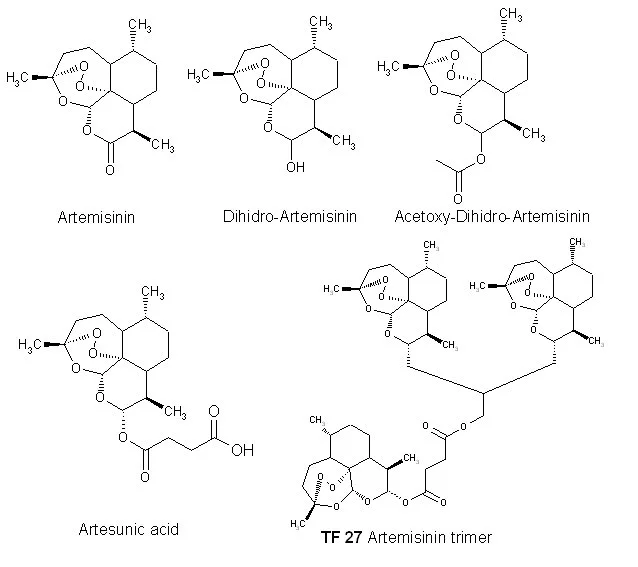
Artemisinin & Derivate: Struktur, Wirkmechanismus, Pharmakokinetik
Artemisinin & Derivate – Wirkmechanismus (Endoperoxidbrücke, Häm-aktivierte Radikale), Pharmakokinetik, semi-synthetische Derivate (Artesunat, Artemether, DHA) und translationaler Kontext für therapeutisches Fachpersonal.
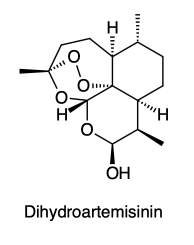
Dihydroartemisinin (DHA)
Dihydroartemisinin (DHA) – aktiver Hauptmetabolit aller Artemisinin-Derivate und eigenständiger Wirkstoff in Eurartesim. Pharmakologie, Klinik, Onkologie-Forschung und regulatorischer Status. Fachartikel für Ärzte und Apotheker.
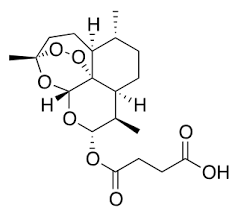
Artesunat – halbsynthetisches Artemisinin-Derivat
Artesunat – halbsynthetisches Artemisinin-Derivat zur intravenösen Notfallbehandlung schwerer Malaria. Klinische Pharmakologie, orale Bioverfügbarkeit, Vergleich mit nativem Artemisinin, Resistenzmechanismen und präklinische Onkologie-Daten.
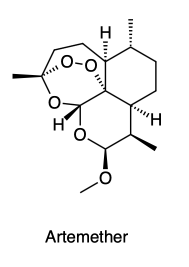
Artemether – lipophiles Artemisinin-Derivat
Artemether – lipophiles Artemisinin-Derivat zur oralen und intramuskulären Malariabehandlung. Fixkombination mit Lumefantrin (Riamet/Coartem), Pharmakokinetik, Interaktionen und klinische Evidenz. Fachartikel für Ärzte und Apotheker.
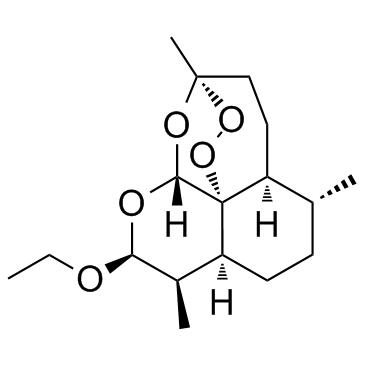
Arteether (Artemotil): Pharmakologie und Einsatz bei schwerer Malaria
Arteether (Artemotil) – lipophiles Artemisinin-Derivat mit Depot-Effekt zur intramuskulären Applikation bei schwerer Malaria. Lange Halbwertszeit, Vergleich mit Artesunat und Artemether sowie klinische Evidenz bei zerebraler Malaria.
Artemisinin-Resistenz – Kelch13, pACT & Multi-Target-Rationale
Artemisinin-Resistenz: Kelch13-Mutationen (C580Y, R539T, R561H), molekulare Mechanismen (reduzierte Häm-Bindung, Proteostase-Upregulation, Ring-Stadium-Verzögerung) und Ring-Stage Survival Assay. pACT-Evidenz: > 40× Bioverfügbarkeit, Resistenzüberwindung (PNAS 2015), Multi-Target-Rationale. WHO-Position vs. Gegenposition. Ethnopharmakologische Parallelen (TCM Jun-Chen-Zuo-Shi, Ayurveda Rasayana, afrikanische Polytherapie).
Metabolismus von Artemisinin – CYP-Interaktionen, Autoinduktion & Pharmakogenetik
Metabolismus & Biotransformation von Artemisinin: CYP2B6 als Hauptmetabolisator (~70–80 %), Autoinduktion (CYP2B6 +2,1×, CYP3A4 +3,2×, AUC →59 %), DHA-Glucuronidierung (UGT1A9 Km 32 µM, UGT2B7 Km 438 µM). Arzneimittelinteraktionen mit HIV-Antiretroviralen (Efavirenz −76 % Artemether). Pharmakogenetik: CYP2B6*6 (15–60 %). Transporter: P-gp-Inhibition durch Chrysosplenetin. TCM Jun-Chen-Zuo-Shi als Metabolismuskonzept.
Phytochemisches Profil von Artemisia annua
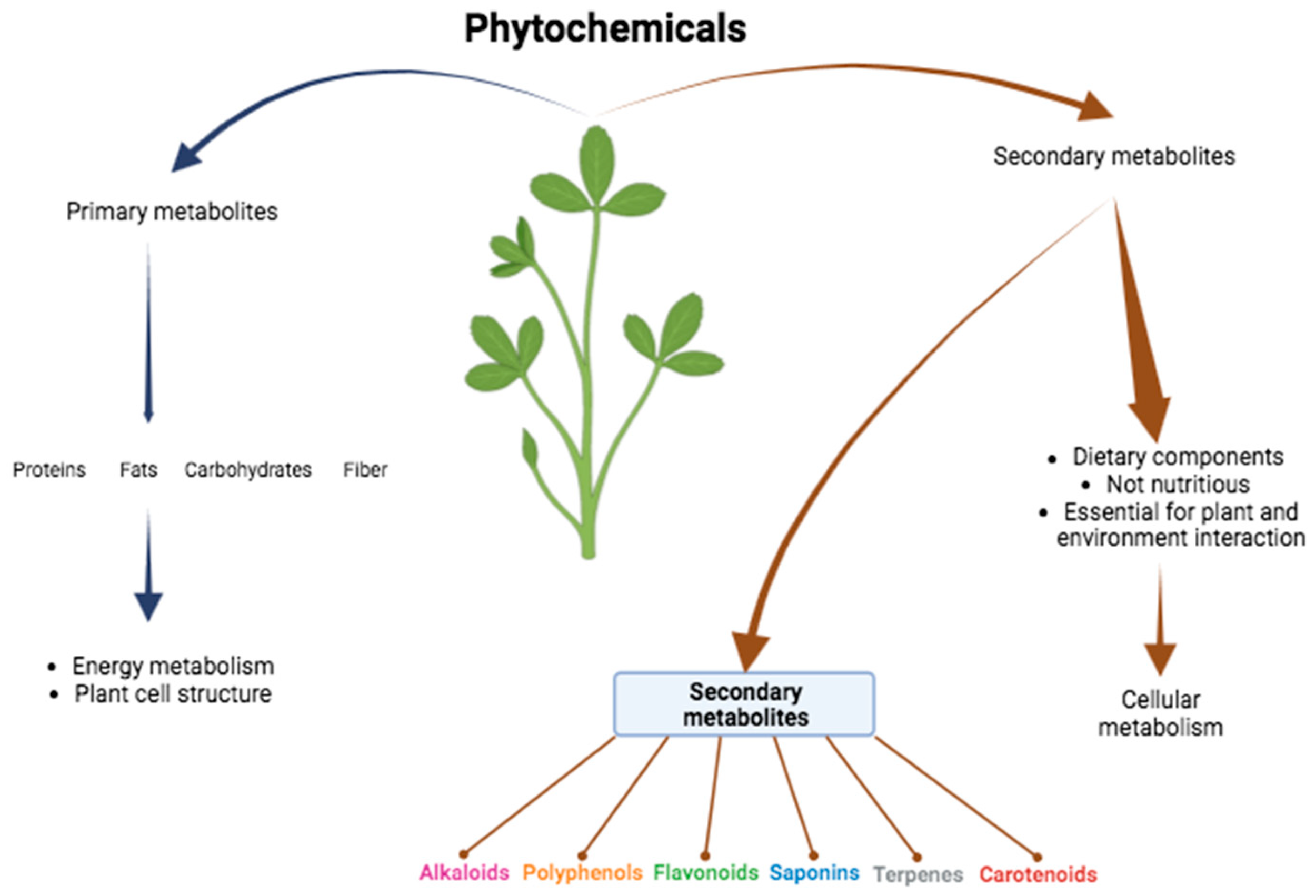
Phytochemisches Profil von Artemisia annua L.: Sekundärmetabolom mit über 400 Verbindungen, Chemotypisierung, Sesquiterpenlactone (Artemisinin), polymethoxylierte Flavonoide (Casticin, Chrysosplenol-D) und ätherische Öle. Genetische und umweltbedingte Variabilität sowie Qualitätsimplikationen für therapeutisches Fachpersonal.
Synergieeffekte & Vielstoffgemisch von Artemisia annua
Synergieeffekte & Vielstoffgemisch von Artemisia annua: Flavonoid-Artemisinin-Interaktionen (Casticin, Chrysosplenol-D), bis zu 40-fach höhere Bioverfügbarkeit, Multi-Target-Wirkung und Resistenzprävention. Fachbericht für therapeutisches Fachpersonal mit Matrix-Pharmakologie und TCM-Perspektive.

Biosynthese von Artemisinin
Biosynthese von Artemisinin – Enzymkaskade in glandulären Trichomen (ADS, CYP71AV1, DBR2), photo-oxidativer Endschritt und genetische Regulation (AaMYC3, AaFT2). Fachbericht mit Qualitätsimplikationen für therapeutisches Fachpersonal.
Indikationen & Toxikologisches Profil von Artemisia annua
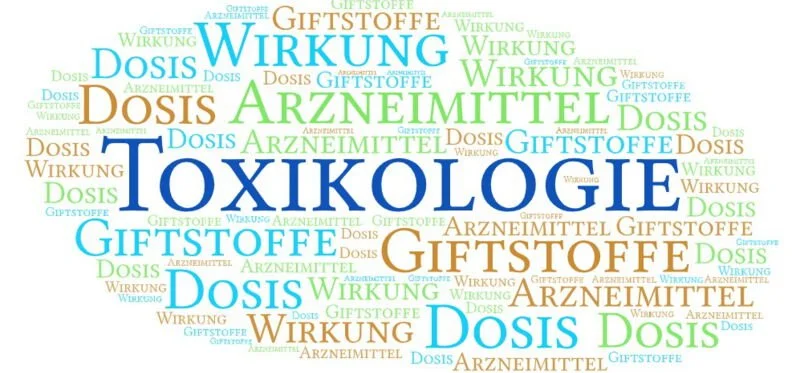
Indikationen & Toxikologisches Profil von Artemisia annua: Klinische Evidenz in Onkologie, Autoimmunerkrankungen, antiviraler Wirkung und Dermatologie. Toxikologie (LD50 >5000 mg/kg), CYP-Interaktionen, Reproduktionstoxikologie und Empfehlungen für therapeutisches Fachpublikum

Ätherische Öle von Artemisia annua L. – Pharmakologisches Profil & Evidenzlage
Volatile Fraktion von Artemisia annua L.: 29 identifizierte Mono- und Sesquiterpene mit dokumentierter antimikrobieller, insektizider, antiinflammatorischer und immunmodulatorischer Aktivität. Chemotyp-Variabilität durch Salinität, Photoperiode und geographische Herkunft. Molekulare Targets, veterinärmedizinische Evidenz und ethnopharmakologischer Kontext für therapeutisches Fachpersonal.
Flavonoide & Polyphenole von Artemisia annua L. – Eigenständige Bioaktivität
Flavonoide & Polyphenole von Artemisia annua L.: Eigenständige Bioaktivität der polymethyoxylierten Fraktion – NF-κB-Hemmung, CYP2B6/CYP3A4-Inhibition (post-transkriptional), P-gp-Modulation durch Chrysosplenetin, Mastzell-Stabilisierung und Phase-II-Metabolismus über UGT1A9/UGT2B7. Ethnopharmakologischer Kontext aus TCM, afrikanischer Medizin und Ayurveda.

Scopoletin & Cumarine in Artemisia annua L. – Pharmakologie & Sicherheit
Scopoletin, Cumarine & Minorverbindungen von Artemisia annua L.: Antiinflammatorisch (über NF-κB/IκB, TNF-α −42 %, IL-6 −72 %), hepatoprotektiv (GSH +50 %, SOD +36 %, AMPK-SREBP-1c), antitumoral (PI3K/AKT, Apoptose) und antimikrobiell (Candida-Biofilme). Strukturelle Differenzierung Scopoletin vs. Cumarin. Phenolsäuren, Phytosterole und ethnopharmakologischer Kontext für therapeutisches Fachpersonal.
Mineralstoffe & Spurenelemente in Artemisia annua L. – Anorganisches Profil & Fenton-Chemie
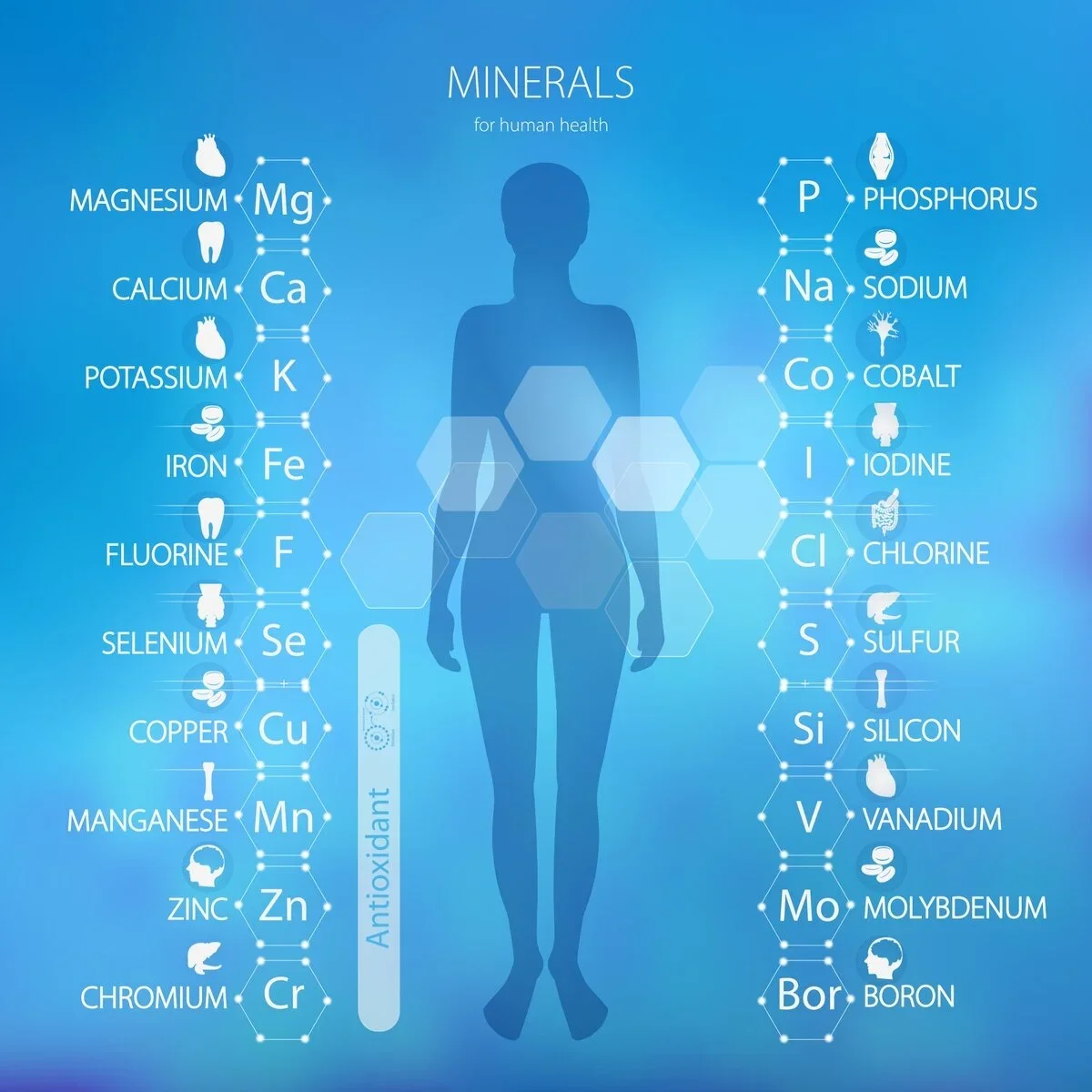
Mineralstoffe & Spurenelemente in Artemisia annua L.: Fe als Fenton-Reaktionspartner der Artemisinin-Aktivierung, Zn als transkriptioneller Regulator der Biosynthese (AaZFP1/AaIPPI1), Se-Biofortifikation. Makroelementprofil (Ca bis 24.060 mg/kg TG), Schwermetallgrenzwerte (EU VO 1881/2006) und ethnopharmakologischer Kontext für therapeutisches Fachpersonal.

Allergien & Kreuzreaktivitäten bei Artemisia annua – Allergenspektrum & SLIT-Evidenz
Allergien & Kreuzreaktivitäten bei Artemisia annua L.: Art v 1 (Defensin, 53–93 % Prävalenz), Art v 3 (nsLTP, Mugwort-Celery-Spice Syndrome), Art an 3 (A.-annua-spezifisch). Kontaktallergie durch Sesquiterpenlactone. Antiallergische Bioaktivität: Syk/PLCγ1-Inhibition (Artesunat), CCR3/NF-κB (DHA). Phase-3-SLIT-RCTs mit persistierendem Benefit. Verarbeitungseinfluss auf Allergenität und Produktsicherheitsimplikationen.

Bioverfügbarkeit & Pharmakokinetik von Artemisinin – PK-Daten & Galenik
Bioverfügbarkeit, Pharmakokinetik & Galenik von Artemisinin: PK-Parameter (Cmax, AUC, t½), DLA-Pflanzenmatrix-Effekt (> 40× durch CYP2B6/CYP3A4-Inhibition), Autoinduktion (CYP2B6 +2,1×, CYP3A4 +3,2×, AUC →59 %), Vergleich Tee vs. Kapseln vs. Nanoformulierungen. Ge Hongs kalte Extraktion, rektale Applikation (WHO-Empfehlung) und moderne galenische Entwicklungen für therapeutisches Fachpersonal.
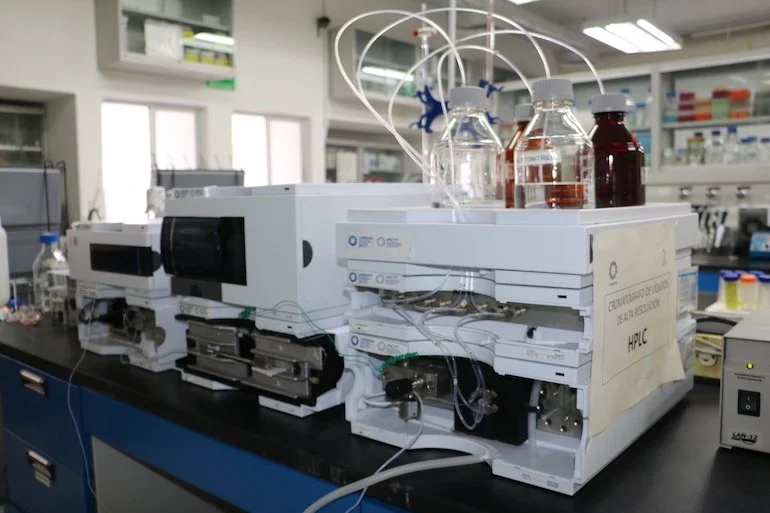
Analytik & Qualitätskontrolle von Artemisia annua – Methoden & CoA-Anforderungen
Analytik & Qualitätskontrolle von Artemisia annua L.: Artemisinin-Quantifizierung (HPLC-ELSD, LC-MS/MS), Multi-Analyt-Profiling (HPLC-DAD für Scopoletin, Flavonoide, Sesquiterpene), GC-MS für ätherische Öle und Thujon, HPTLC-Fingerprint für Authentizität. Schwermetallanalytik (EU VO 1881/2006), Verfälschungsproblematik, Pharmakopöe-Status und vollständige CoA-Mindestanforderungen für therapeutisches Fachpersonal.
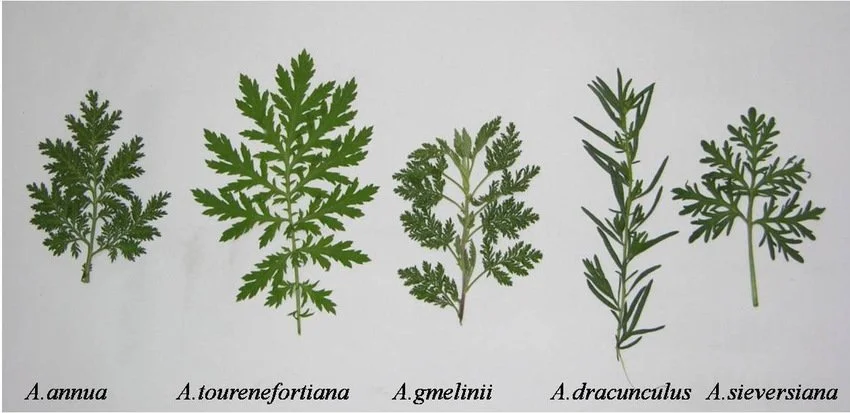
Artemisia-Artenvergleich – Phytochemie, Toxikologie & Identitätsprüfung
Artemisia-Spezies im phytochemischen und pharmakologischen Vergleich: A. annua (Artemisinin 0,1–1,5 %, thujonfrei), A. afra (antiplasmodial ohne Artemisinin, Munyangi RCT – retracted), A. absinthium (Thujon-Neurotoxizität, EMA-Limit 3 mg/d), A. vulgaris/argyi (Moxibustion, Allergiepotenzial). HPTLC-Identitätsprüfung, Verwechslungsgefahr und CoA-Anforderungen für therapeutisches Fachpersonal.